

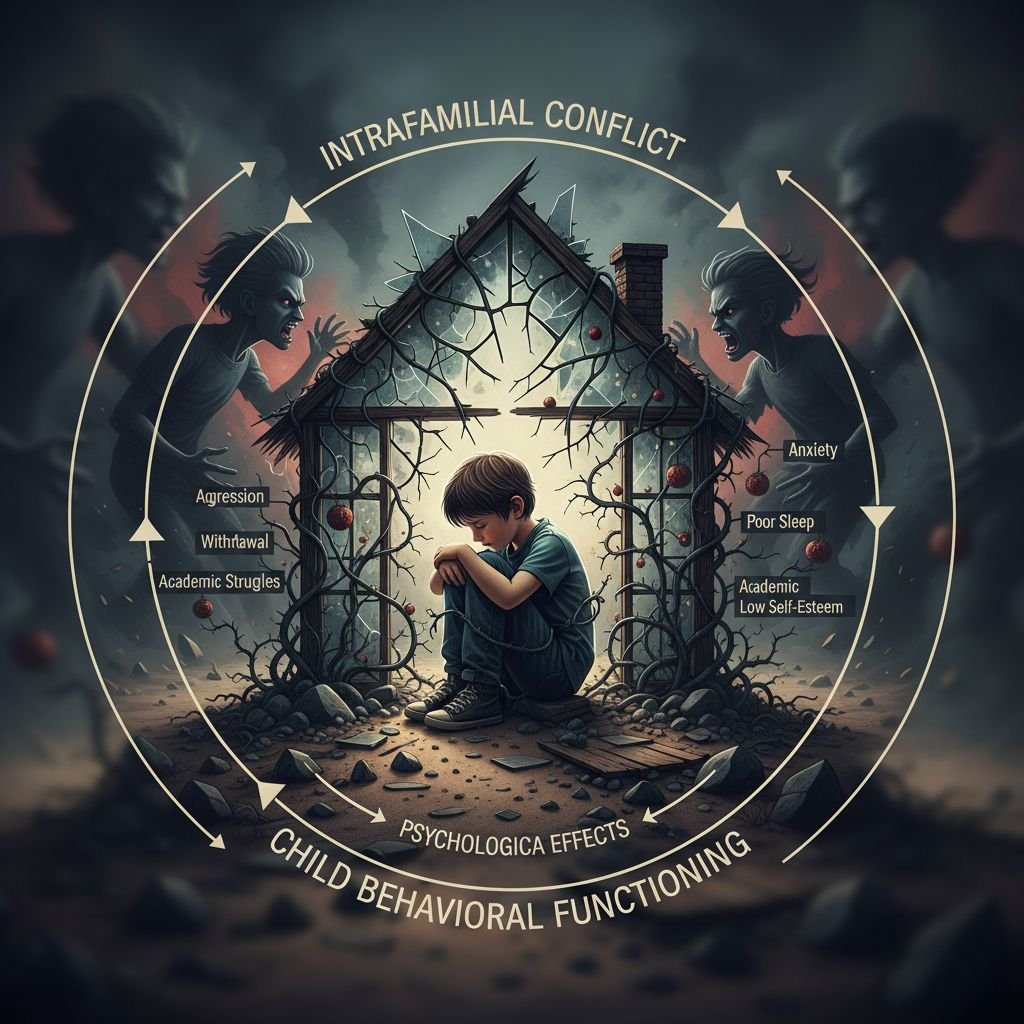
Family conflict is a common experience that can significantly impact the emotional and behavioral development of children. As parents or caregivers navigate disagreements, arguments, and tension, the effects can ripple through the family unit, often leaving children to grapple with feelings of anxiety, confusion, and distress. Understanding the emotional impact of such conflicts is crucial, as it not only shapes children’s immediate behavior but can also have lasting repercussions on their mental health and interpersonal relationships in adulthood. This article explores the various dimensions of family conflict, its psychological effects on children, and effective strategies for mitigating its impact, ultimately aiming to foster a healthier family environment.
Family Conflict
Family conflict can be defined as any disagreement or clash between family members that escalates to the point of emotional distress. Think of it as a family feud but without the
baked goods and catchy theme music. It often involves differing opinions, values, or expectations that lead to tension and, at times, explosive arguments. In short, it’s the kind of drama you’d expect to see in a reality TV show minus the glamor and with more eye-rolling.
Types of Family Conflicts
Family conflicts come in various flavors, each with its own unique ingredients. Here are a few main types:
Interpersonal Conflicts: These occur between individuals in the family, such as between siblings or between parents and children. We call this the “Sibling Rivalry Special.”
Parental Conflicts: When parents disagree on parenting styles, discipline methods, or even where to have dinner, this can lead to significant stress. Think of it as a battle of the “whose way is better” game.
Generational Conflicts: This occurs when perspectives clash due to differences in age, upbringing, or cultural values. You know, the classic “OK Boomer” or “But that’s how we did it in my day!” disputes.
Common Causes of Family Disputes
Family disputes can arise from a smorgasbord of factors including, but not limited to:
Poor Communication: When family members fail to effectively express their feelings or listen to one another, misunderstandings blossom like weeds in spring.
Financial Stress: Money can turn peaceful homes into battlegrounds faster than you can say “budget cuts.”
General Life Stressors: External pressures from jobs, school, or social situations can trickle down and cause internal family chaos. It’s like bringing home the office drama, but with less personal space.
The Psychological Effects of Family Conflict on Children
Emotional Distress and Anxiety
Children are like emotional sponges, soaking up everything around them even those heated verbal volleys between parents. This can lead to heightened emotional distress and anxiety, which is often evident in their behavior. Imagine feeling like your heart is racing every time you hear raised voices. Not ideal for a peaceful night’s sleep!
Impact on Self-Esteem and Self-Image
When family conflict takes center stage, children’s self-esteem can take a serious hit. They may start to believe that they are the cause of the chaos or that they don’t deserve love. This warped self-image can stick with them like gum on a shoe, making them doubt their worth well into adulthood. Because who doesn’t want to carry around that baggage, right?
Effects on Cognitive Development
Chronic exposure to family conflict can hinder cognitive development in children. When they’re more focused on surviving the next emotional storm than on schoolwork or social interactions, their learning and brain development can take a backseat. It’s an unfortunate side effect like getting a flat tire on a joyride where they miss out on the adventures of academic growth and healthy peer relationships.
Behavioral Changes in Children Amidst Family Turmoil
Increased Aggression and Defiance
Children exposed to family conflict may exhibit increased aggression and defiance. Think of it as their version of a protest “If I can’t fight the family drama, I’ll just fight everyone else!” They might lash out at siblings, friends, or even pets in an attempt to regain some semblance of control over their chaotic world.
Withdrawal and Social Isolation
On the flip side, some children may respond to family conflict by withdrawing into their shells like turtles dodging a storm. They may retreat from friends, family, and activities they once enjoyed. It’s a classic case of “If I can’t deal with this chaos, I’ll just disappear.” This isolation can further exacerbate feelings of loneliness and sadness.
Academic Challenges and Performance Issues
When the family environment is fraught with tension, children’s academic performance often suffers. Their minds are preoccupied with home life instead of algebra equations or science projects. Let’s face it; no one can ace a test while worrying about who’s fighting in the next room. This leads to declining grades, increased absences, and a growing frustration with school.
Long-term Consequences of Family Conflict on Child Development
Influence on Adult Relationships
The effects of family conflict tend to cling to children like a stubborn shadow. As they grow into adulthood, they may replicate the unhealthy dynamics they experienced at home. After all, if you’ve seen how the “drama llama” operates, it might be tempting to hop on that ride later in life. This can lead to a cycle of dysfunctional relationships romantic or otherwise.
Potential for Mental Health Issues
The emotional scars of family conflict can also increase the risk of various mental health issues in adulthood, such as anxiety, depression, or chronic stress. It’s like carrying a heavy backpack filled with unresolved issues and emotional baggage that can weigh down their
well-being long after the family fights have ceased.
Patterns of Conflict Resolution in Adulthood
Lastly, how children learn to handle conflict during their formative years can set the stage for their approach to resolution as adults. If they witnessed aggressive exchanges or avoidance techniques instead of healthy communication, they’re likely to replicate those patterns. This brings us back to that cycle of dysfunction, reinforced by decades of family drama. It’s like a rerun of a show you never wanted to watch in the first place.
Coping Mechanisms: How Children Adapt to Family Conflict
Healthy Coping Strategies
Children can surprise us with their resilience, often adopting healthy coping strategies in the face of family conflict. These can include talking about their feelings, seeking comfort from trusted adults, engaging in physical activities, or diving into creative outlets like art or music. Encouraging these positive approaches helps kids process their emotions and regain a sense of control amidst the chaos.
Unhealthy Coping Mechanisms
However, not all coping mechanisms are created equal. Some children might resort to unhealthy strategies, such as withdrawing from family and friends, acting out in school, or even developing anxious behaviors. These responses often stem from feeling overwhelmed and can create a cycle of negativity that’s hard to break. Recognizing these signs early is crucial for providing the right support.
The Role of Peer Support
In the whirlwind of family conflict, friends can be a child’s anchor. Peer support offers a safe space to express feelings and share experiences, providing a sense of normalcy outside the family. Kids may find solace in hanging out with friends who understand what they’re going through, or simply by distracting themselves with fun activities. A strong support network can significantly mitigate the emotional fallout from home turmoil.
The Role of Parental Influence in Shaping Children’s Responses
Modeling Conflict Resolution Skills
Parents are like human GPS systems, guiding their children through life’s tumultuous roads. By modeling healthy conflict resolution skills like calmly discussing disagreements, compromising, and apologizing when necessary parents can equip their children with the tools they need to handle conflicts themselves. It’s like passing down a family recipe for
peacen extra important as family dynamics become ever more complex.
Communication Styles and Their Impact
The way parents communicate can leave a lasting imprint on their children’s behaviors and emotional responses. Open, respectful conversations foster an environment where children feel safe to express their thoughts and emotions. Conversely, communication that is harsh or dismissive can lead to children shutting down or mirroring those negative patterns. Choose your words wisely after all, they’re not just building your child’s vocabulary but also their emotional toolkit.
The Importance of Stability and Support
In times of conflict, providing a stable foundation at home is paramount. Children thrive in environments where they feel secure and supported. Consistent routines, along with a nurturing atmosphere, can help counterbalance the emotional turbulence of family disagreements. Offering that unwavering support lets children know they have a safe space to land, no matter how rocky life gets.
Strategies for Mitigating the Emotional Impact of Family Conflict
Creating a Peaceful Home Environment
A peaceful home is like a refuge in a storm. Parents can create this haven by fostering a calm atmosphere, minimizing conflict, and encouraging positive interactions. Simple changes, like establishing family rituals or setting aside time for playful activities, can significantly enhance the emotional climate at home. It’s all about turning the chaos into a cozy corner of comfort.
Encouraging Open Communication
Encouraging kids to share their thoughts and feelings can be transformative. By creating an environment where questions are welcomed and emotions are validated, parents empower their children to express themselves more openly. Regular family check-ins, where everyone gets a turn to voice their feelings, can help ensure no one feels left out in the emotional landscape.
Engaging in Family Therapy
Sometimes, the best way to tackle family conflict is to enlist a professional. Family therapy provides a structured, safe setting for everyone to air grievances and learn healthier interaction skills. With the guidance of a trained therapist, families can work through issues that have been festering beneath the surface, transforming potential landmines into bridges of understanding.
Seeking Help: When to Consult Professionals for Support
Signs That Professional Help is Needed
Recognizing when to consult a professional can be tricky, but certain signs are red flags. If a child exhibits persistent changes in behavior, such as increased aggression, withdrawal, or anxiety, it may be time to seek help. Similarly, if family conflicts escalate or communication breaks down entirely, a therapist could provide valuable insights and guidance.
Types of Professionals to Consider
When it comes to seeking help, different professionals bring various tools to the table. Family therapists specialize in resolving relational issues, while child psychologists focus on the emotional and behavioral aspects of children’s responses. Social workers may also provide support and resources, especially in more complex family situations. Finding the right fit can make all the difference in the healing process.
The Benefits of Early Intervention
Addressing emotional concerns early on is like catching a weed before it takes over the garden. Early intervention can prevent simple issues from escalating into serious problems. By seeking professional help at the first signs of distress, families can build resilience, fostering stronger bonds and healthier communication patterns for the future. Plus, it’s always nice to have a little extra support in your corner.In conclusion, recognizing and addressing the emotional impact of family conflict on children is vital for promoting their well-being and healthy development. By fostering open communication, modeling positive conflict resolution skills, and seeking professional help when necessary, families can create a supportive environment that mitigates the negative effects of conflict. Ultimately, prioritizing emotional health not only benefits children today but also lays the foundation for their future relationships and overall happiness.
Frequently Asked Questions
How can I tell if my child is affected by family conflict?
Children may exhibit signs such as increased aggression, withdrawal from social interactions, changes in academic performance, or emotional distress. It’s important to observe their behavior and communicate openly with them about their feelings.
What are some effective ways to resolve family conflict?
Effective conflict resolution can include active listening, expressing feelings without blame, seeking compromise, and engaging in family therapy. Prioritizing open communication and
mutual respect is key to resolving disagreements constructively.
Can family conflict lead to long-term emotional issues in children?
Yes, persistent family conflict can contribute to long-term emotional and psychological issues, including anxiety, low self-esteem, and difficulties in future relationships. Early intervention and support can help mitigate these risks.
When should I seek professional help for my child?
If you notice significant changes in your child’s behavior, persistent emotional distress, or if family conflict escalates to a level that feels unmanageable, it may be time to consult a mental health professional for guidance and support.