

Emotional neglect, often overlooked in discussions about mental health, can have profound and lasting effects on individuals across their lifespan. Unlike physical neglect, which is visible and often easier to identify, emotional neglect manifests in subtle ways, leaving individuals feeling unseen, unvalued, and disconnected from their own emotions and those of others. This article explores the definition and scope of emotional neglect, delves into its psychological and relational impacts, and highlights the importance of recognition and recovery. By understanding the nuances of emotional neglect, we can better support those affected and work towards preventing its occurrence in future
What is Emotional Neglect?
Emotional neglect is like the silent treatment of parenting; it’s not about what you do, but rather what you fail to do. It occurs when caregivers consistently ignore, dismiss, or fail to respond to a child’s emotional needs. This can leave kids feeling unseen, unheard, and utterly alone. Unlike more overt forms of neglect or abuse, emotional neglect is often invisible, making it tricky to identify and harder to address. It’s a sneaky little saboteur that seeps into the very fabric of a person’s sense of self.
Distinguishing Emotional Neglect from Other Forms of Neglect
While physical neglect may involve a lack of basic needs like food, shelter, and hygiene emotional neglect plays by a different set of rules. It’s not about what you can see; it’s about what you can’t. Unlike physical or educational neglect, which are often more tangible and easier to spot, emotional neglect is embedded in the subtler dynamics of relationships. Think of it as the sad emo cousin of neglect the one who feels a lot but shows very little.
The Psychological Effects of Emotional Neglect
Common Psychological Symptoms
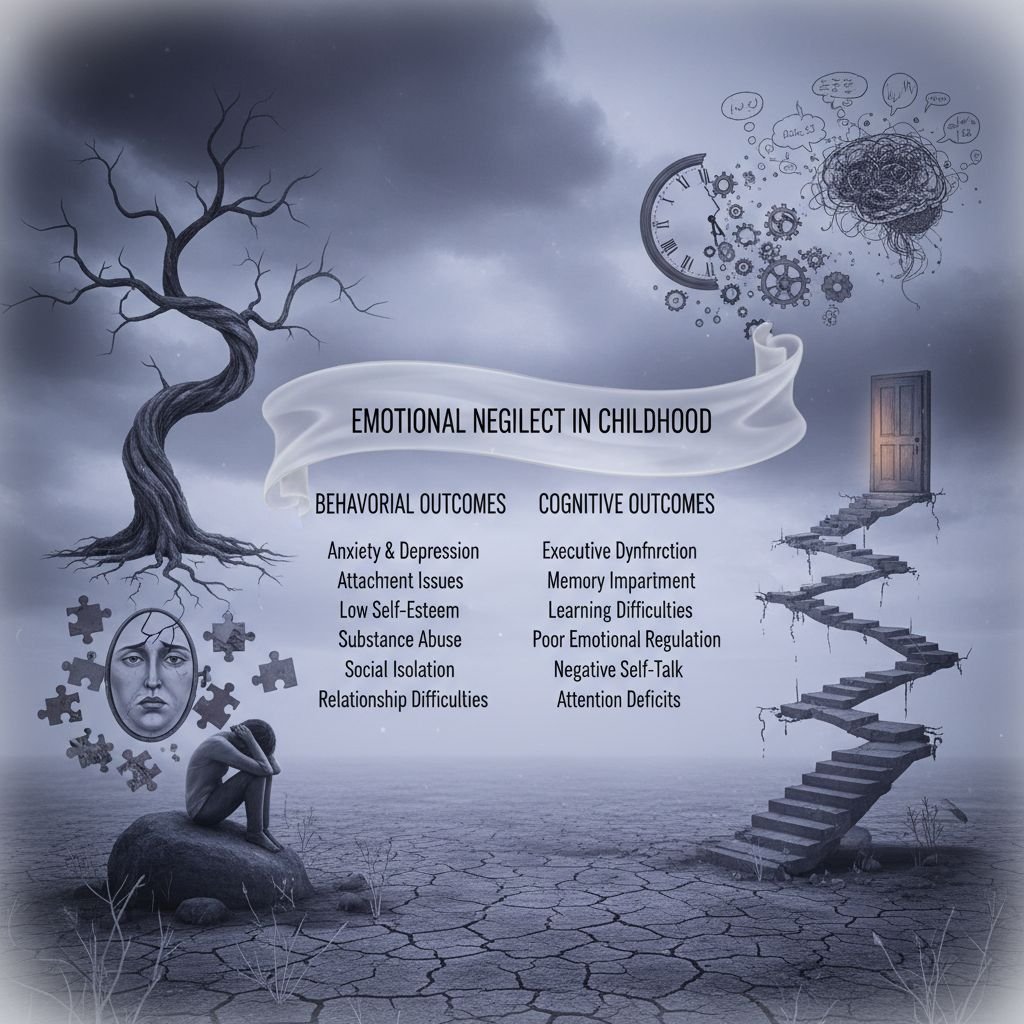
The psychological consequences of emotional neglect can include anxiety, depression, and chronic feelings of emptiness. Individuals may experience mood swings, emotional numbness, or difficulty managing stress. They might find themselves second-guessing their feelings or even seeing their emotions as insignificant, leading to a rollercoaster of internal turmoil. It’s like being stuck in a never-ending game of “Guess Who?” but with your emotions spoiler: nobody wins.
Impact on Self-Esteem and Self-Worth
Emotional neglect often leaves individuals questioning their value and self-worth. When a person’s emotional needs are neglected during critical formative years, they may struggle to see themselves as worthy of love and respect. This can manifest as a persistent inner critic, sabotaging personal achievements and relationships. It’s like walking around with a dark cloud of self-doubt, wondering if anyone will notice if you disappear. Spoiler alert: they probably will, but you won’t see it because you’re too busy doubting yourself.
Impact on Relationships and Social Interactions
How Emotional Neglect Affects Attachment Styles
Emotional neglect can significantly skew attachment styles. A person who has been emotionally neglected may develop insecure or avoidant attachment patterns, leading them to either cling too tightly to relationships or shy away from intimacy altogether. It’s as if they’re playing a game of emotional hot potato avoiding closeness because they fear getting burned. Consequently, they may struggle with trust issues or fear of abandonment, making healthy connections feel like traversing a minefield.
Challenges in Forming Healthy Relationships
Those who have experienced emotional neglect may face numerous hurdles in their relationships, often manifesting as fear of vulnerability or difficulty in expressing needs. They might find it hard to communicate or establish boundaries, leading to misunderstandings and a cycle of frustration. It’s like trying to bake a cake without flour important ingredients are missing, and the result is less than sweet. The challenge is not just in forming relationships; it’s in maintaining and nurturing them without the foundational
skills they never fully learned.
Emotional Neglect in Childhood: Long-term Consequences
Developmental Impacts During Childhood
During childhood, emotional neglect can stifle emotional development and hinder social skills. Children may fail to learn how to regulate their emotions or empathize with others, leading to difficulties in school and peer interactions. It’s as if they’re trying to navigate a bustling marketplace without a map lost and unsure of how to engage with the world around them. This lack of emotional guidance can result in an overwhelming sense of isolation, making it hard for them to forge lasting friendships.
Effects in Adulthood: Career and Personal Life
In adulthood, the reverberations of childhood emotional neglect can manifest in career choices and personal relationships. Individuals may avoid leadership roles due to fear of failure or struggle with assertiveness, making it harder to advocate for themselves in professional settings. Personal relationships may continue to be fraught with tension and misunderstanding, as unresolved emotional needs from the past resurface. They might feel like they’re stuck in an emotional hamster wheel, running hard but never really getting anywhere. It’s a long road, but recognizing the patterns can be the first step toward breaking free and finding a healthier way forward.
Recognizing Signs of Emotional Neglect
Identifying Signs in Children
Emotional neglect in children can be as subtle as a whisper or as glaring as a neon sign. Kids might struggle to express their feelings, often appearing withdrawn or showing excessive anger. They might seek attention in unhealthy ways, like acting out in class or creating chaos in the home. Does your child frequently say they feel “nothing”? That’s a red flag! Other signs include poor social skills, difficulty in forming friendships, and an overwhelming need for approval. Remember, a child saying they’re “fine” when they’re clearly not might just be the tip of an iceberg of emotional neglect lurking beneath the surface.
Signs of Emotional Neglect in Adults
The effects of emotional neglect don’t magically disappear with age; they often tag along like a loyal, albeit unwanted, pet. Adults may struggle with self-esteem issues, experience difficulties in relationships, and find it hard to articulate emotions. They might feel disconnected from their own needs or struggle to enjoy activities they once loved. If you often find yourself saying, “I don’t need anyone” while simultaneously feeling lonely, that could be your inner neglected child asking for help. Other warning signs include perfectionism, people-pleasing behaviors, and chronic feelings of emptiness or anxiety.
Healing and Recovery from Emotional Neglect
Steps Toward Healing
Healing from emotional neglect is like piecing together a jigsaw puzzle time-consuming but totally worth it. First, awareness is key. Recognizing how neglect affected you can help illuminate the path forward. Consider journaling to process your feelings or engaging in mindfulness practices. It’s also helpful to set healthy boundaries and engage in self-care activities that nourish your spirit. Don’t forget to lean on supportive friends or family who provide an emotional safety net. Healing isn’t linear, and that’s perfectly okay just remember, progress is progress, even if it feels like a snail’s pace.
The Importance of Self-Compassion
In the grand journey of healing, self-compassion is your trusty travel companion. Treating yourself with kindness instead of judgment is crucial. That means allowing yourself to feel anger, sadness, or frustration without guilt. Setbacks happen so when they do, channel your inner best friend and reassure yourself that it’s okay not to be okay. Practicing self-compassion can also involve speaking kindly to yourself, engaging in positive self-talk, and recognizing that you are not alone in your struggles. Remember, you deserve the same compassion you so readily offer to others!
The Role of Therapy in Addressing Emotional Neglect
Types of Therapy Effective for Emotional Neglect
When it comes to addressing emotional neglect, therapy can be a game changer. Cognitive Behavioral Therapy (CBT) helps you recognize and change negative thought patterns think of it as emotional spring cleaning. Dialectical Behavior Therapy (DBT) is fantastic for learning to manage intense emotions and build healthier relationships. If you’re into deep diving, Psychodynamic Therapy helps explore your past to understand the present. Art or Play Therapy can be particularly effective for children, allowing them to express feelings that words sometimes fail to capture. The key is finding a therapy method that resonates with you like trying on shoes until you find the perfect fit!
Finding the Right Therapist
Finding the right therapist can feel like dating without the free appetizers. It’s essential to search for someone you vibe with! Look for credentials, but also trust your gut if their approach doesn’t jive with your needs, it’s okay to keep swiping left. Consider starting with a consultation session to see if they “get” you. Don’t be afraid to ask about their experience with emotional neglect, and remember that it may take a few tries before you find someone who feels like a comfy couch rather than a stiff chair. Your therapeutic journey is personal, so take the time to find someone who makes you feel safe and understood.
Preventing Emotional Neglect in Future Generations
Parental Awareness and Education
If we want to break the cycle of emotional neglect, it starts with parents being aware of their own emotional landscapes. Educating yourself about child development and emotional needs can equip you with the tools to avoid neglecting your child’s emotional well-being. Practice open communication, validate your child’s feelings, and be proactive in providing a safe emotional space. Parenting classes or support groups can offer valuable insights. Remember, asking for help is a strength, not a weakness whole communities thrive when parents are informed and supported!
Building Supportive Communities
Creating a safety net of supportive communities is essential for nurturing emotional growth in future generations. Think of it as a team effort when parents, schools, and communities work together, children are less likely to fall through the cracks. Establishing support networks can include fostering open dialogues about emotional health, creating inclusive social groups, or starting initiatives that focus on emotional well-being. Remember, it takes a village not just to raise a child, but to ensure their emotional landscape thrives. Together, we can create an environment where future generations are emotionally resilient and feel cherished, not neglected!In conclusion, emotional neglect is a significant but often underestimated issue that can deeply affect individuals throughout their lives. Acknowledging its impact is the first step toward healing and recovery. By fostering awareness, promoting open communication, and seeking professional help when needed, we can create a supportive environment that mitigates the effects of emotional neglect. Together, we can work towards healthier emotional connections and ensure that future generations are nurtured in ways that prioritize their emotional well-being.
Frequently Asked Questions
What are the main signs of emotional neglect?
Signs of emotional neglect can include feelings of emptiness or loneliness, difficulty expressing emotions, low self-esteem, and challenges in forming healthy relationships. Individuals may also exhibit anxiety, depression, or a pervasive sense of being unworthy or unloved.
Can emotional neglect be resolved without therapy?
While some individuals may find ways to cope and heal from emotional neglect through self-help strategies and supportive relationships, therapy can provide valuable tools and insights that facilitate deeper healing and understanding. Professional guidance is often beneficial
in navigating complex emotions and fostering self-compassion.
How can parents prevent emotional neglect in their children?
Parents can prevent emotional neglect by fostering open communication, actively listening to their children’s feelings, and providing consistent emotional support. Being present, validating their emotions, and encouraging healthy expression of feelings are essential in creating a nurturing environment.
Is emotional neglect as damaging as physical neglect?
Yes, emotional neglect can be just as damaging as physical neglect. While the effects may manifest differently, the long-term psychological impacts of feeling unloved, invalidated, or unseen can lead to significant emotional and relational difficulties throughout a person’s life.